Virtual Tour
Browse through the virtual tour to see some of the featured shrines and statues.
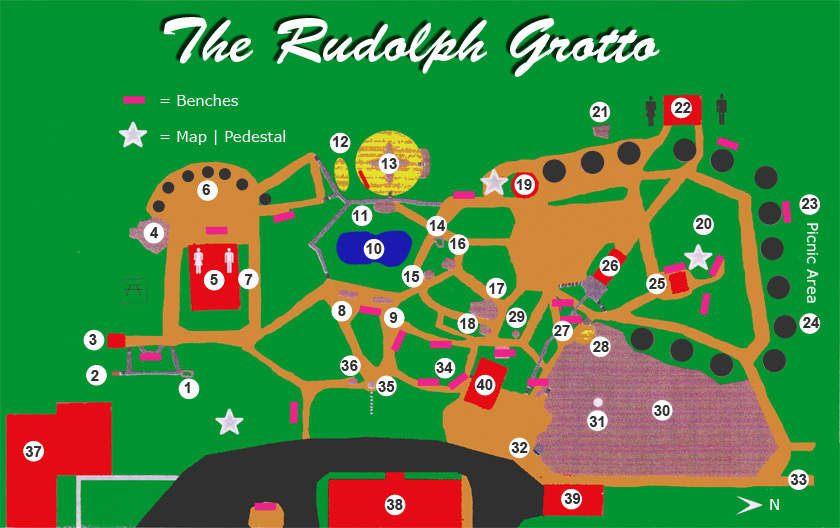
For best viewing results, position map in center of browser and place mouse over numbers to view the features.
- 1
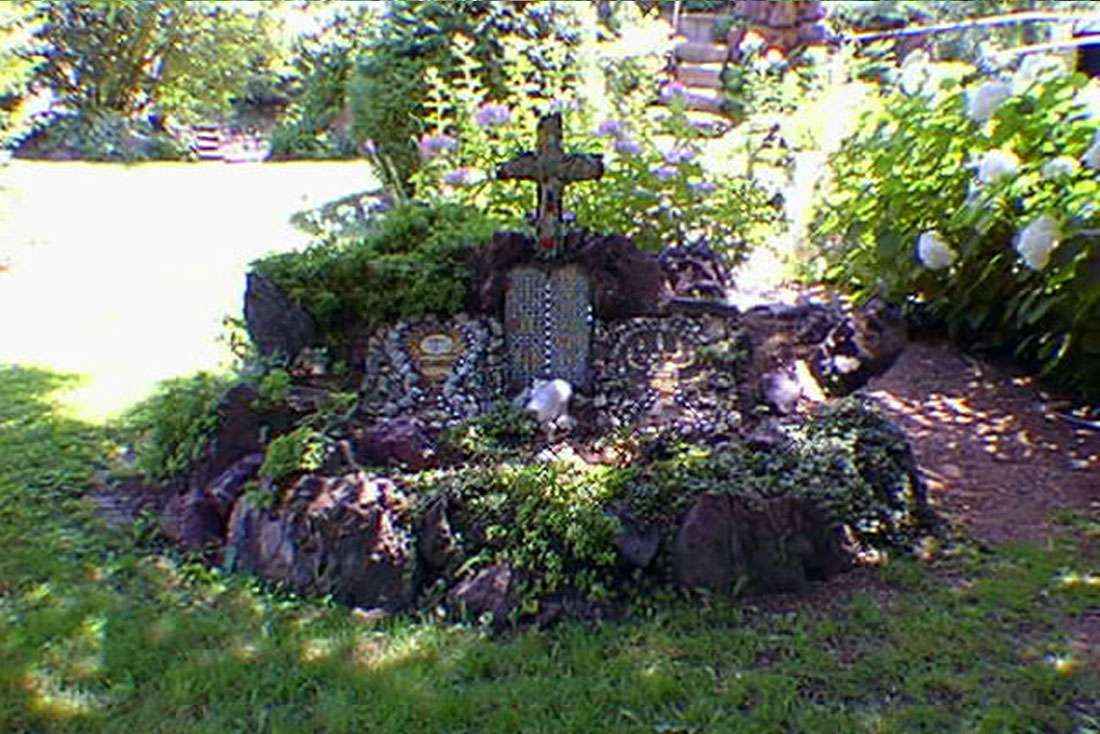
Ten Commandments. In need of repair, these small plaques were made by Father Wagner in the early 1940's - 1
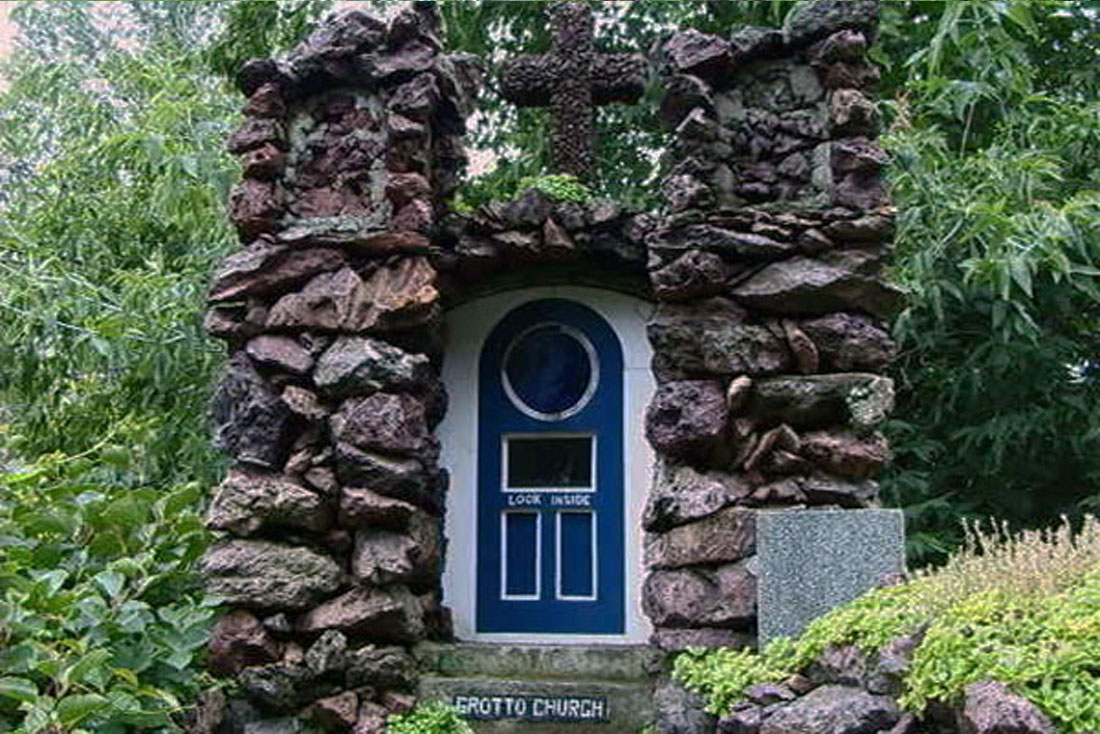
Small Stone Church. Designed and built by Father Wagner in 1940 to resemble the Castle on the Rhine, the structure was built indoors in the school basement during the winter. - 1
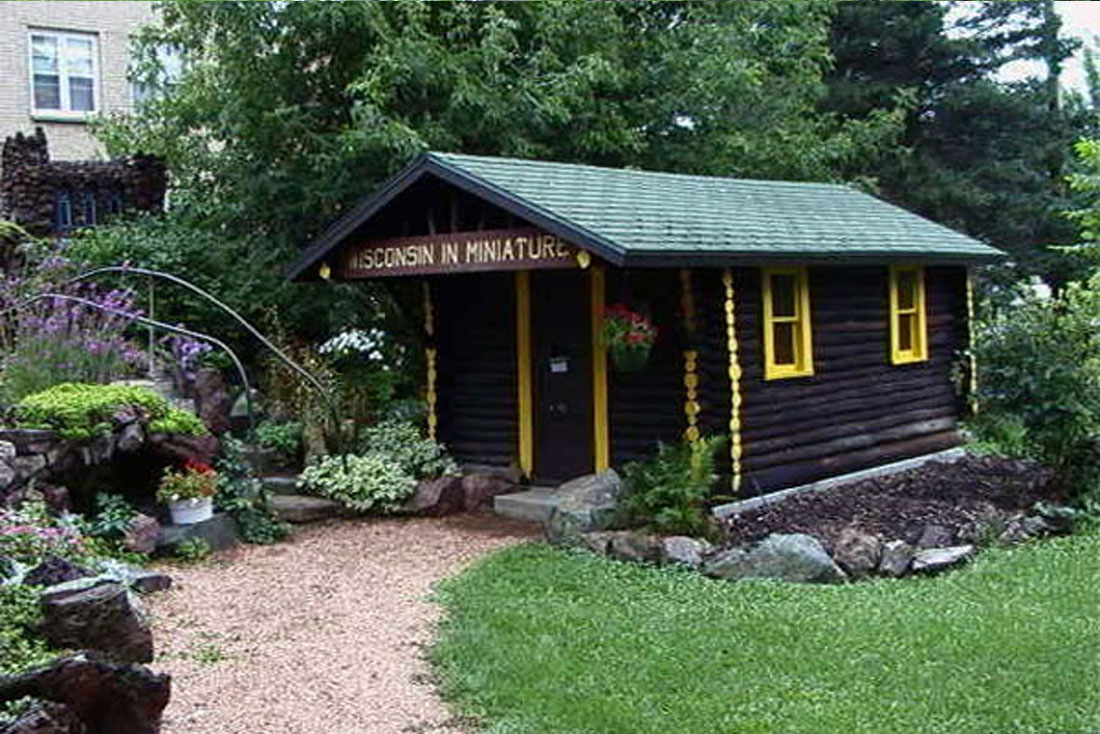
Wisconsin in Miniature. Built by Anton Kempen as a play house for his seven girls, it was moved to the Grotto in early spring of 1941. Father Wagner modeled it after the famous "Tuetli" in Switzerland. The inside was intended to represent rural Wisconsin in 1940 with Camp McCoy. - 1
Shrine to St. Philomena. Patroness of this parish when it was called St. Philomena, the shrine was started in the fall of 1957 by Edmund Rybicki who worked through the winter to finish it by spring. The stone is from Powers Bluff. - 1
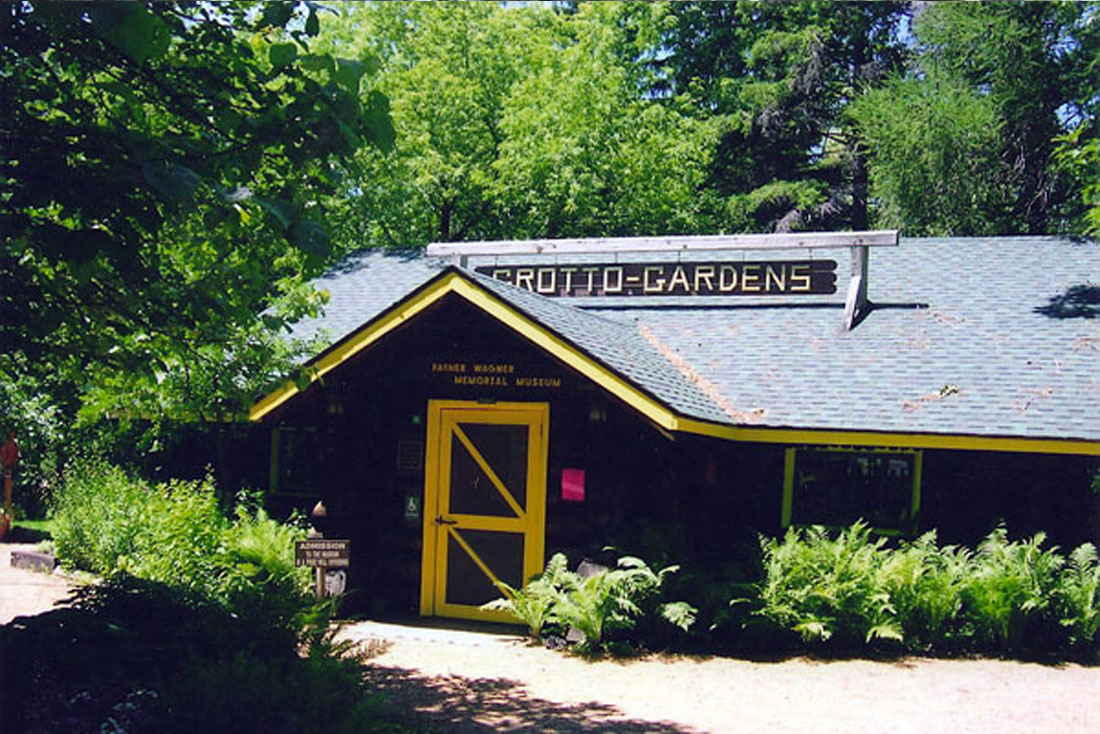
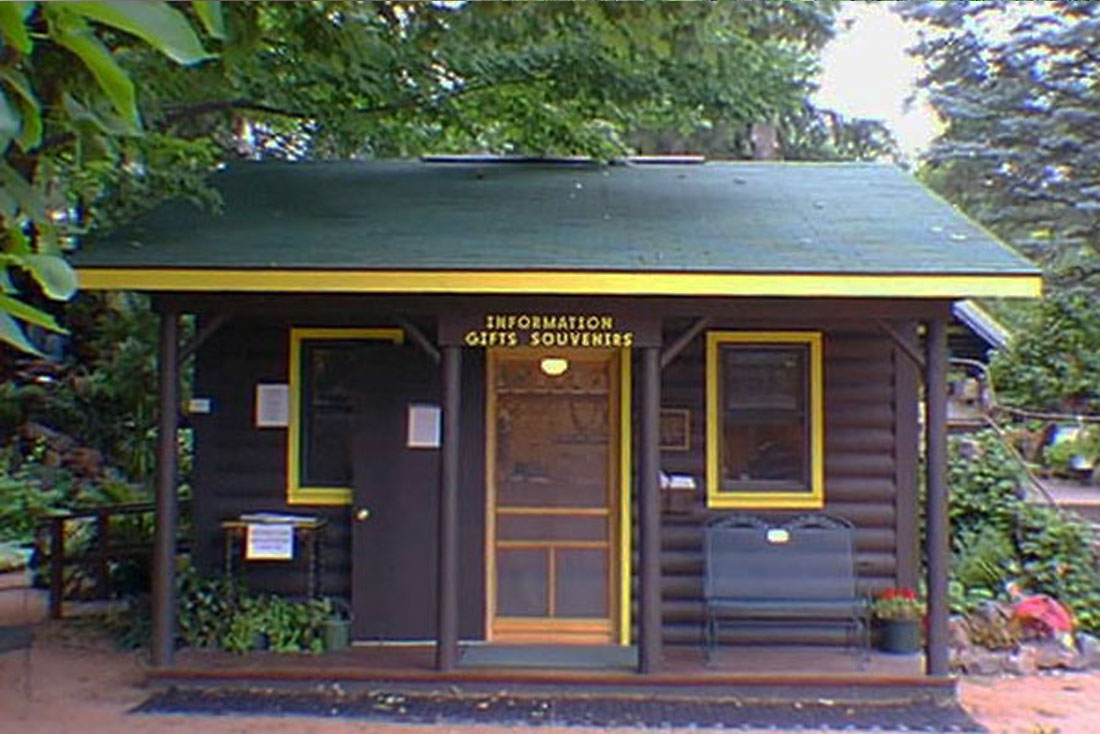
Museum. This was the original gift shop. The front half was built in the spring of 1934 with Norway Pine logs from Emil Knippl's woods, located 2 miles east of Kellner. Chris Van Asten was the main architect. Originally, rocks were set on the roof to imitate the roofs on homes and huts in Austria and Switzerland. Around 1955, the second half of the building was added to include rest rooms. Thanks to an anonymous donation, this was turned into a museum in 1998. Wallace Oleson designed and built the interior walls. In the summer of 1999, it was blessed and dedicated. - 1
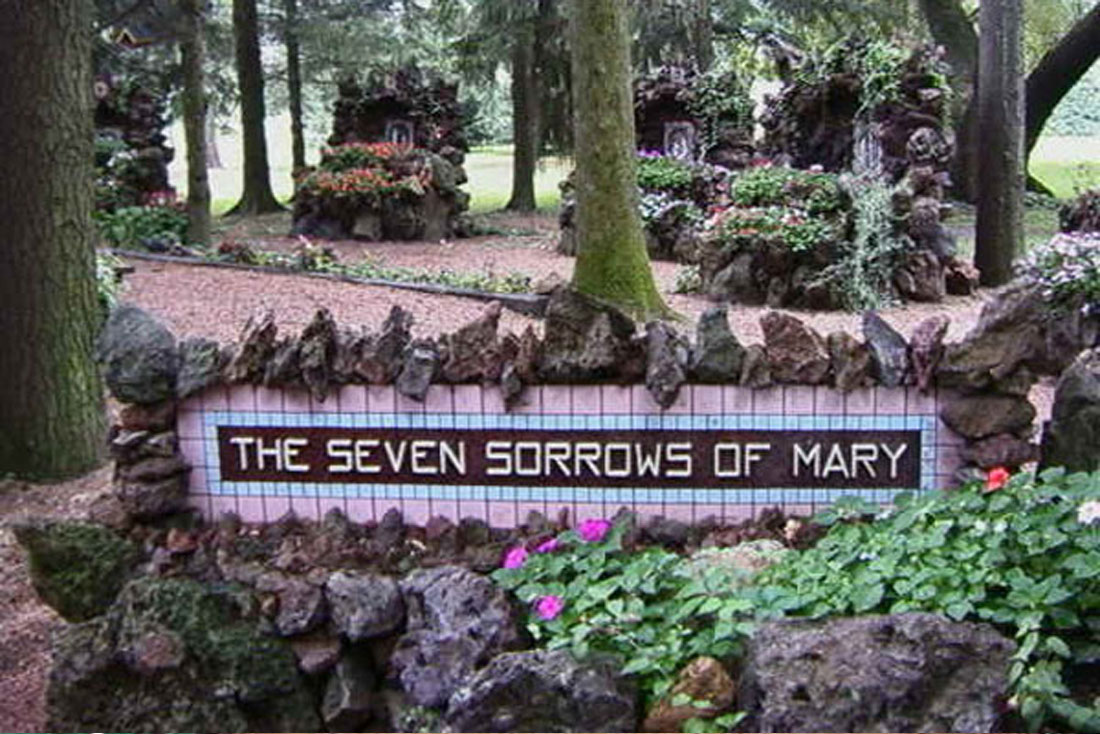
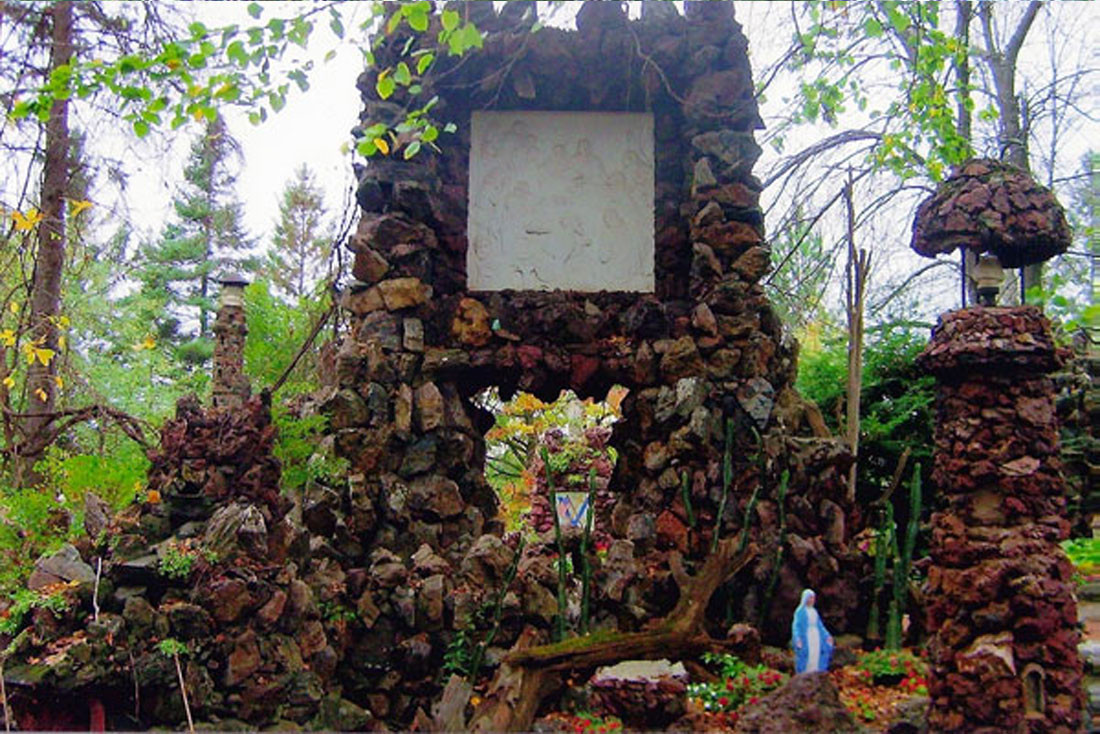
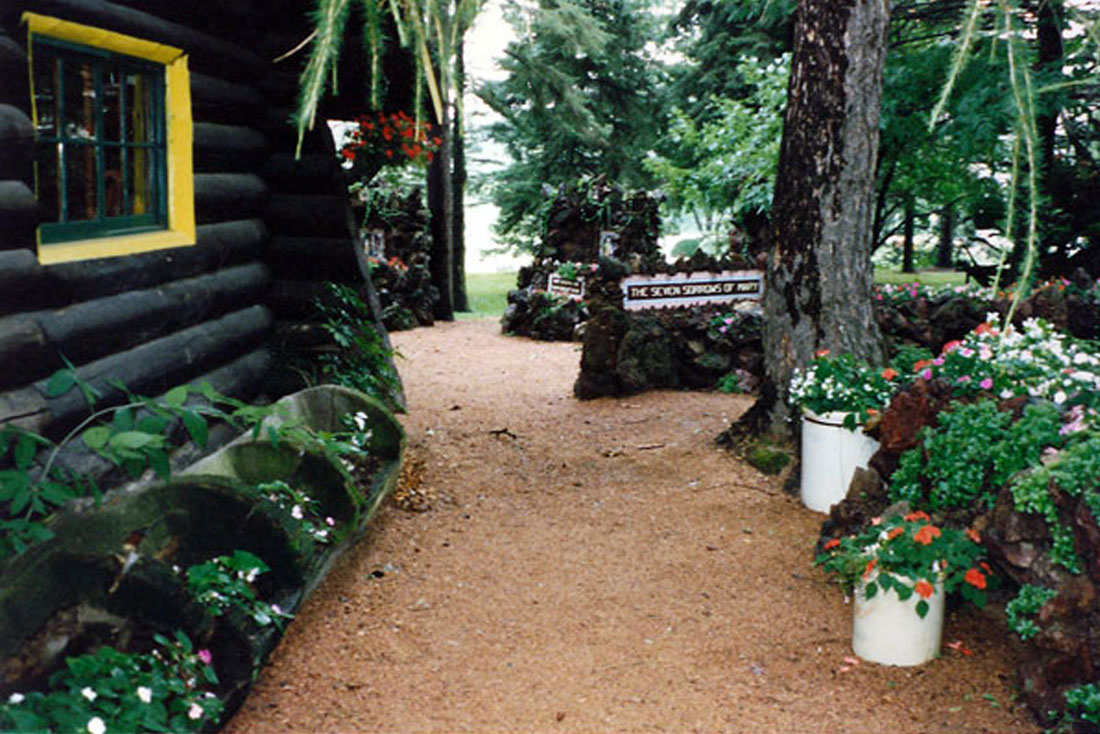
Stations of the Seven Sorrows of Mary. The final work planned by Father Wagner, these were one of the last shrines built by Edmund. Started in 1979 and completed in 1983, they incorporate the medallions of Carrara Marble which Father Wagner had purchased from Italy before he died. - 1
Old Log Bench. Hand carved out of a large block of white oak by Peter Hartjes in 1939, the bench was manufactured with implements his father used to make wooden shoes. The bench is the last of its kind at the Grotto. - 1
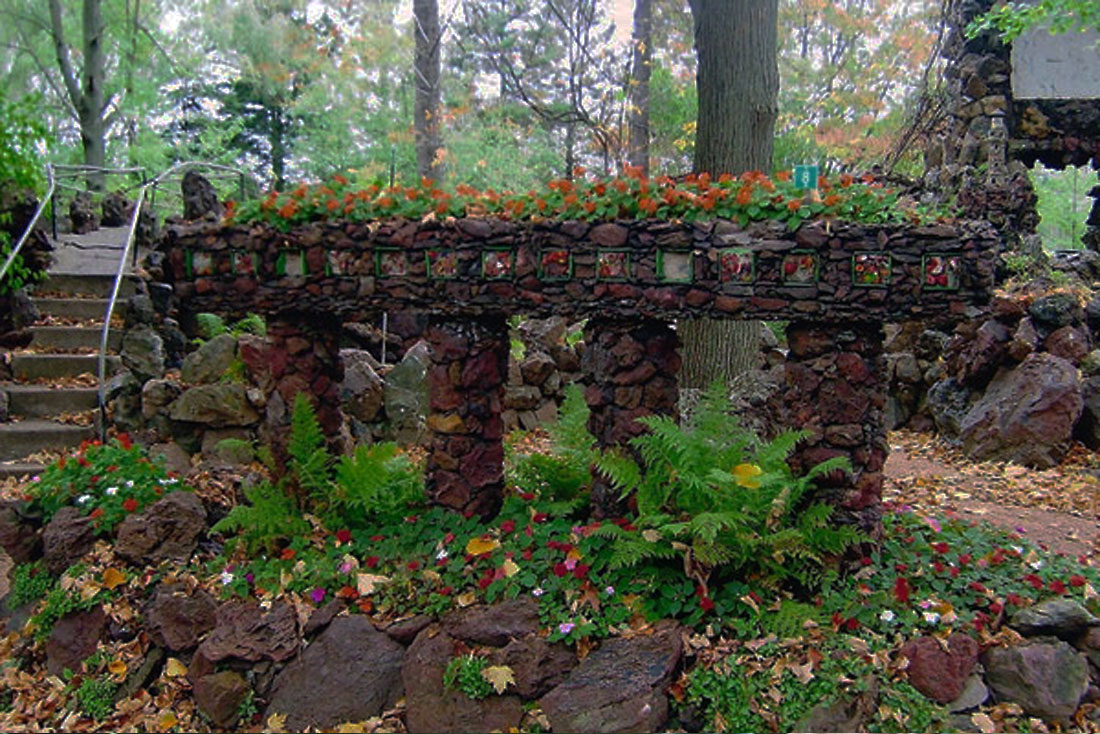
Pillar Planter. This was the fourth structure built at the Grotto by Father Wagner in 1931, and is fashioned after the ruins of ancient Greek and Roman Temples. - 1
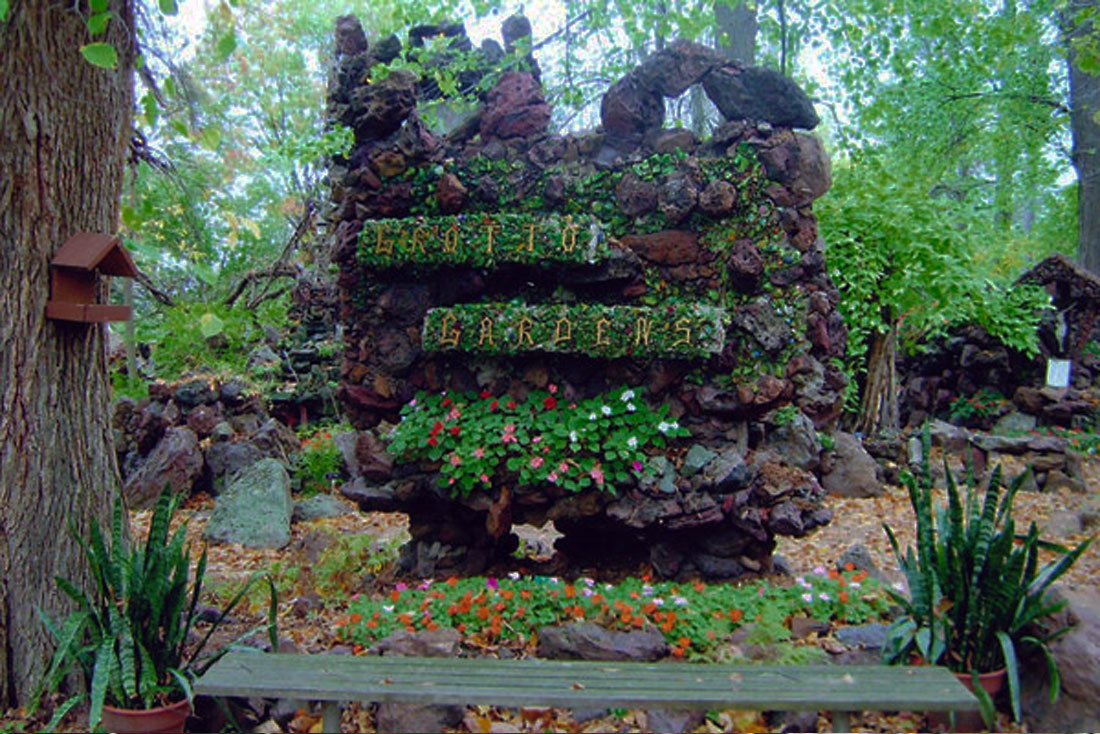
Grotto Planter and Sign. Built by Father Wagner in 1933. - 1
Sunken Garden, Fish Pond, and Waterfall. First built in 1933 - 34, the fish pond was as big as the entire sunken garden area. In 1958, it leaked badly, and the fish tank you see today was purchased. The tall lighthouse was added in 1935. The triangular three-tier planter was built in 1934 as a water fountain. In 1960, the small lighthouse and water fall was built by Edmund, and the following year he designed and built the water wheel. - 1
Last Supper Shrine. The plaque, designed by Father Wagner, was built by Edmund Rybicki in 1958. The shrine is hand-carved Carrara Marble. - 1
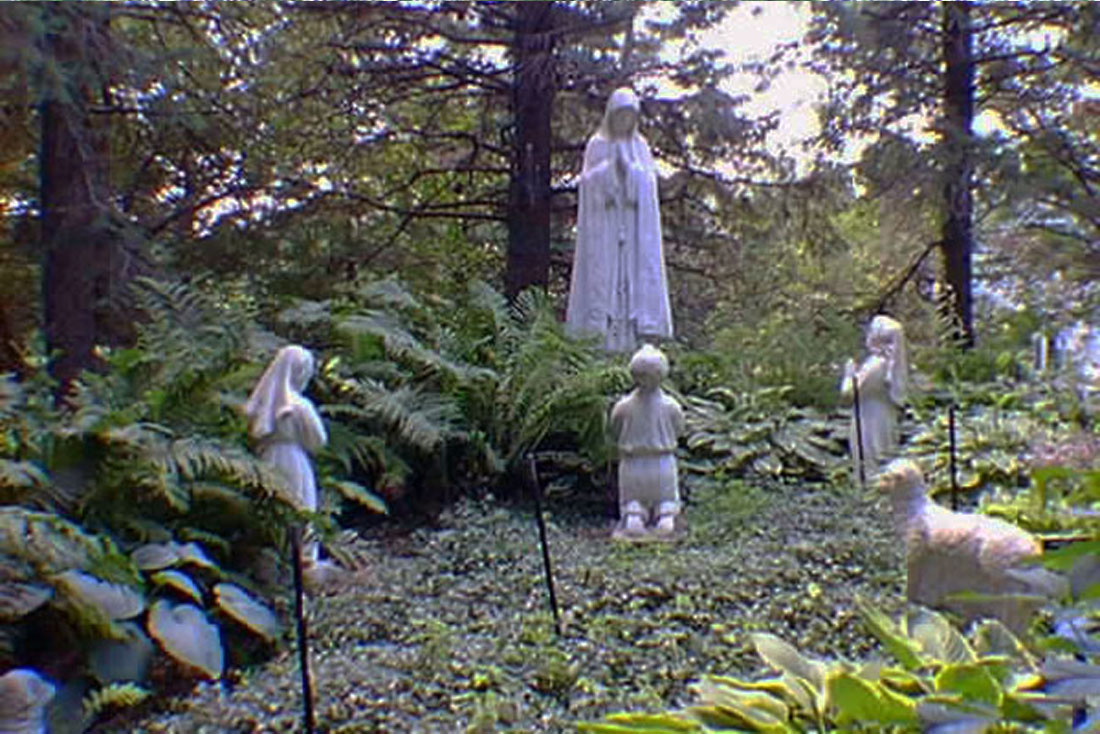
Our Lady of Fatima Shrine. This was added to the Grotto in 1959 under the direction of Father Garlan Muller. These statues are made of cast stone. - 1
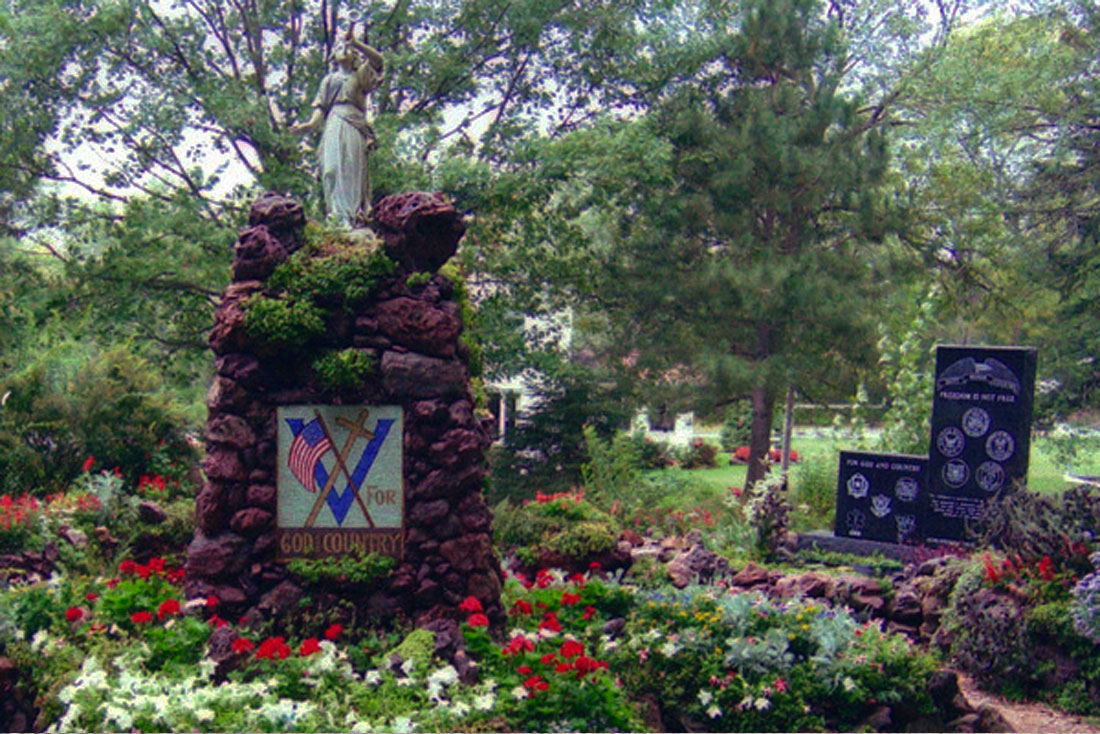
War Memorial and Annunciation of Mary Plaque. The tall structure in the middle was built by Father Wagner when Edmund was in the war in 1945. The Annunciation Shrine was built in 1960 by Edmund and Father Muller. The area was to honor those who served in WWII. The large black stone was added in 2000 to honor not only those in military service but all who serve others. - 1
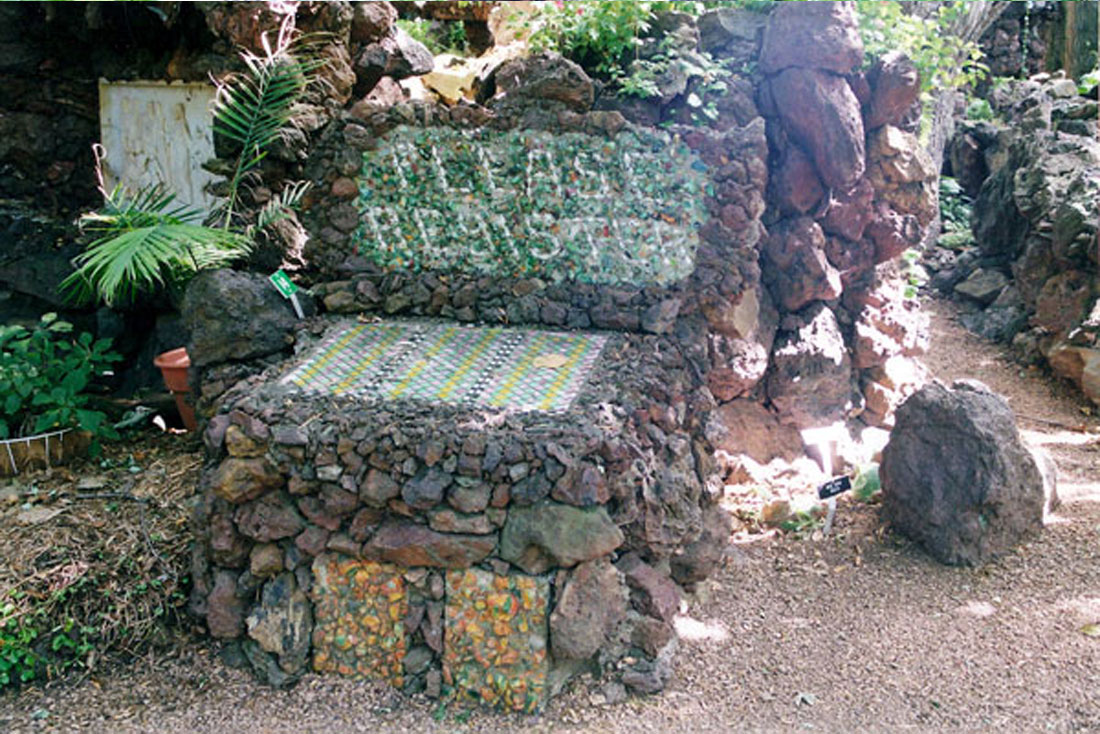
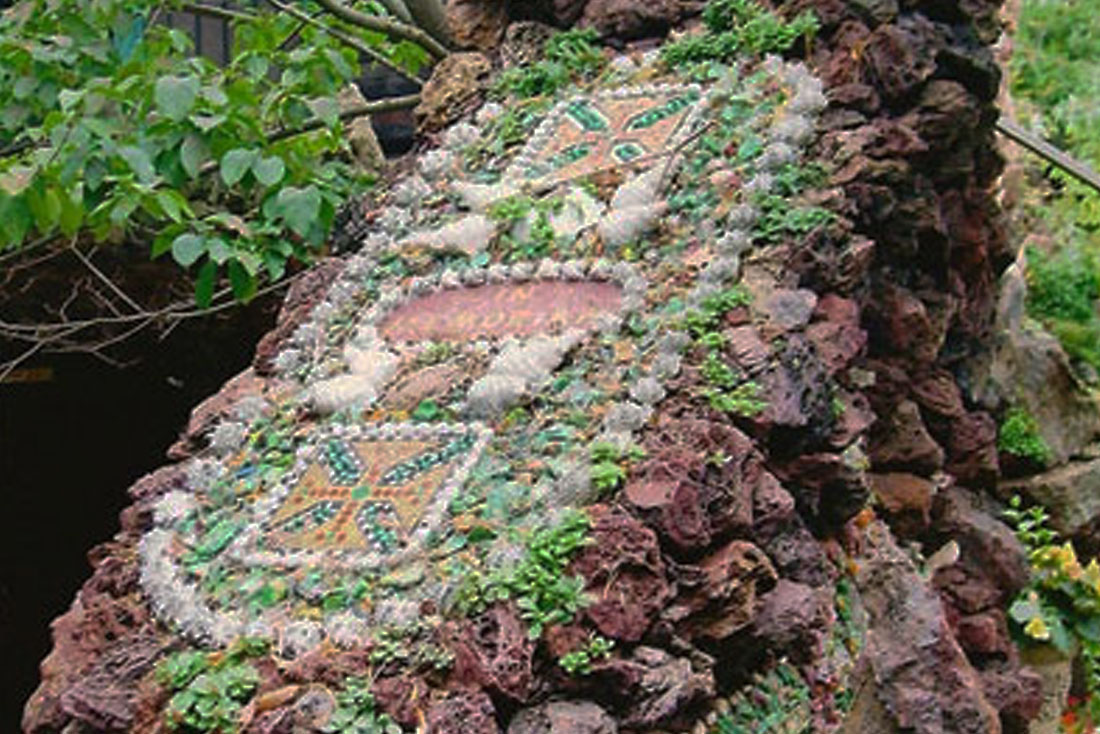
Old Register. If you stand 5 to 6 feet away from the register, you can read the message the shells make; "Please Register". Father Wagner built this in 1931 or 1932, and a book to register sat on the colored glass top. After the gift shop was built, the registration book was moved indoors. On May 1, 1958, over one million visitors had registered from all over the country and all over the world. - 1
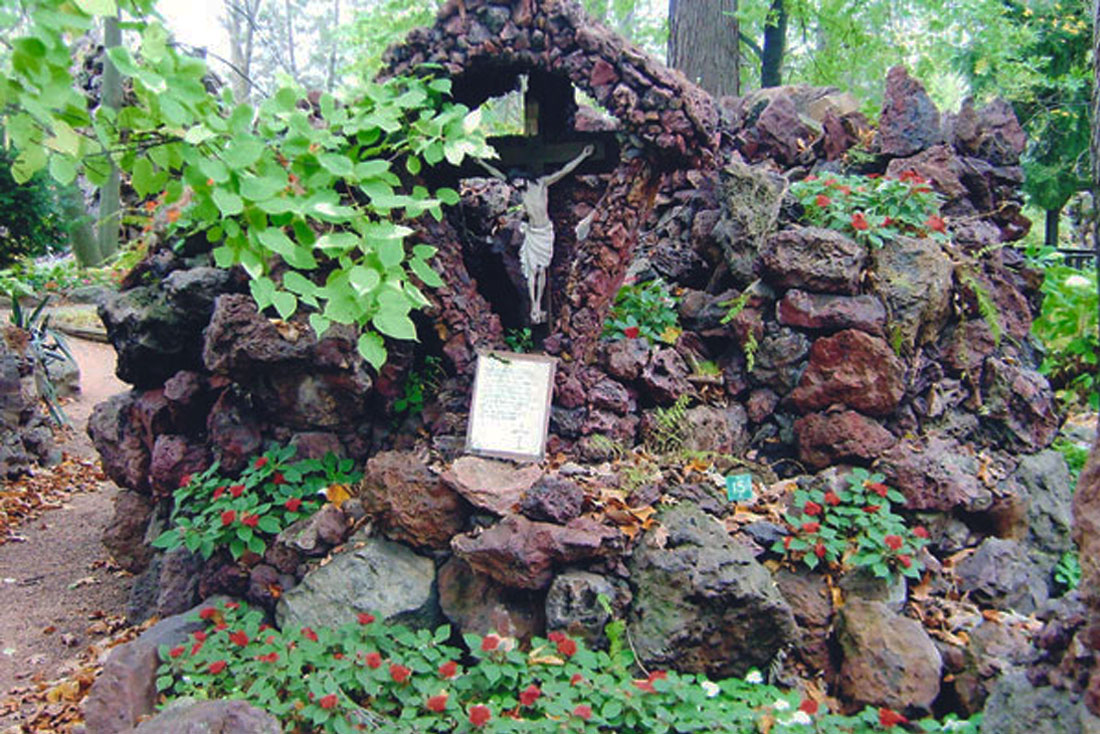
Wayside Shrine. This small shrine was built indoors by Father Wagner during the winter of 1930. Hand-carved by a Tyrolese wood-carver living among the far-off Alps, the cross was purchased by Father Wanger in 1912. - 1
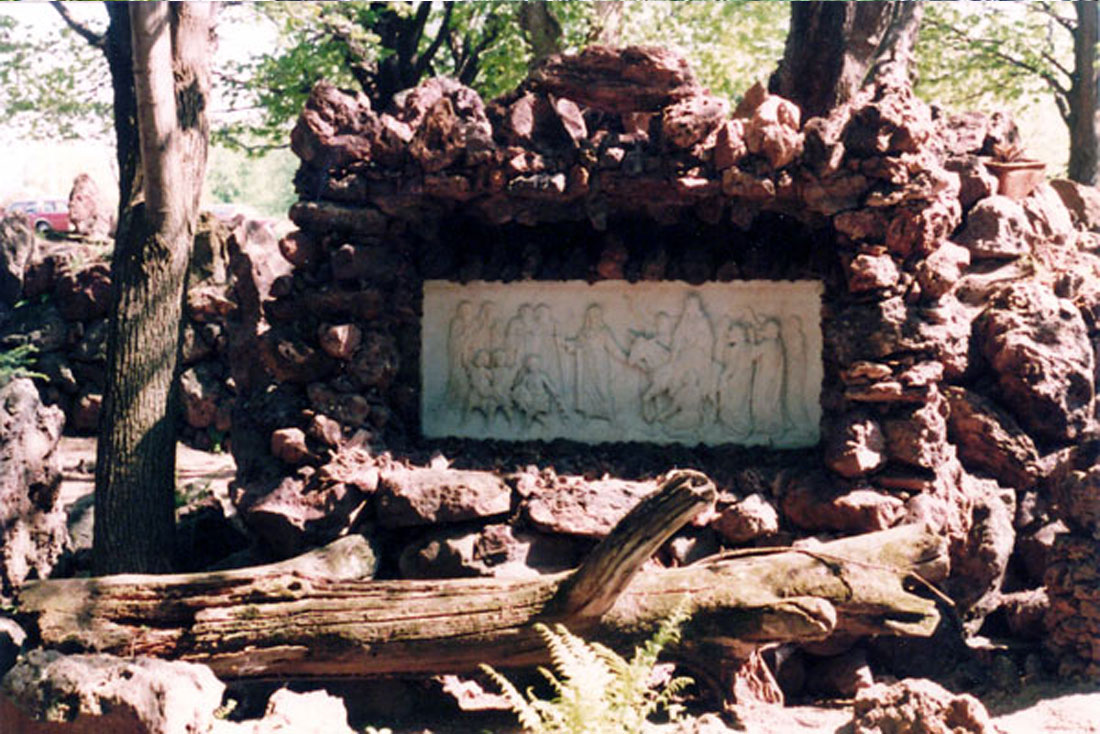
Palm Sunday Plaque. Completed in the fall of 1983, this was the last design of Father Wagner which was constructed by Edmund Rybicki. The plaque was purchased by Father Watner before his death in 1959. - 1
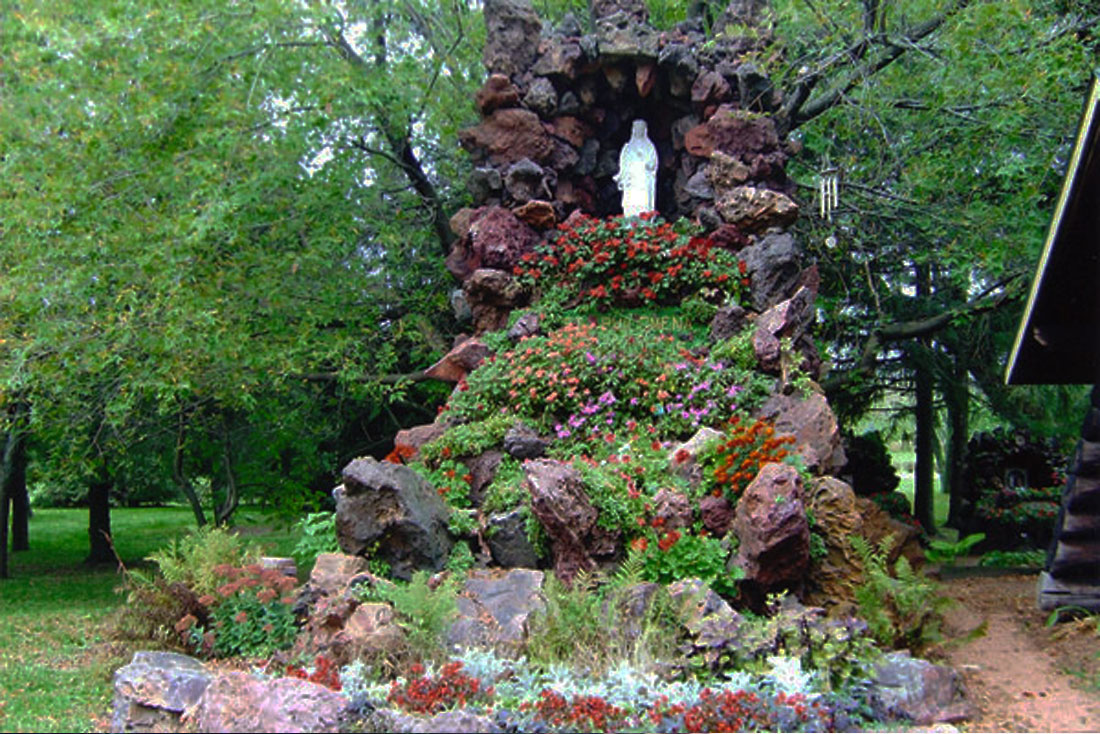
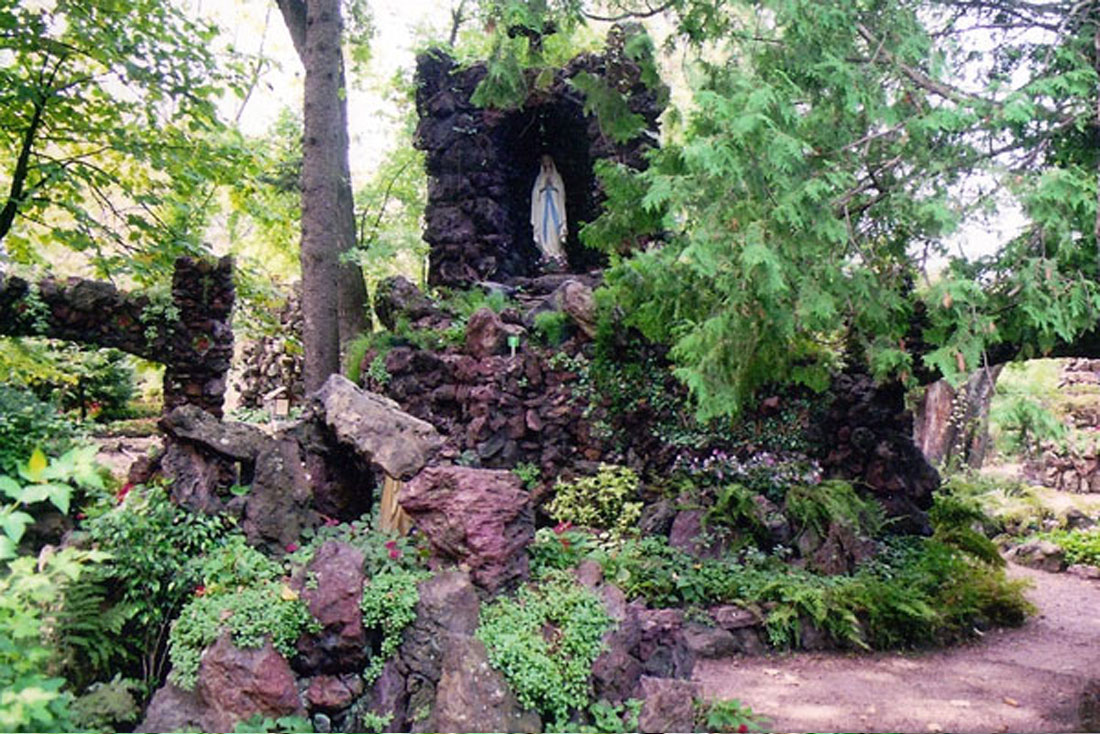
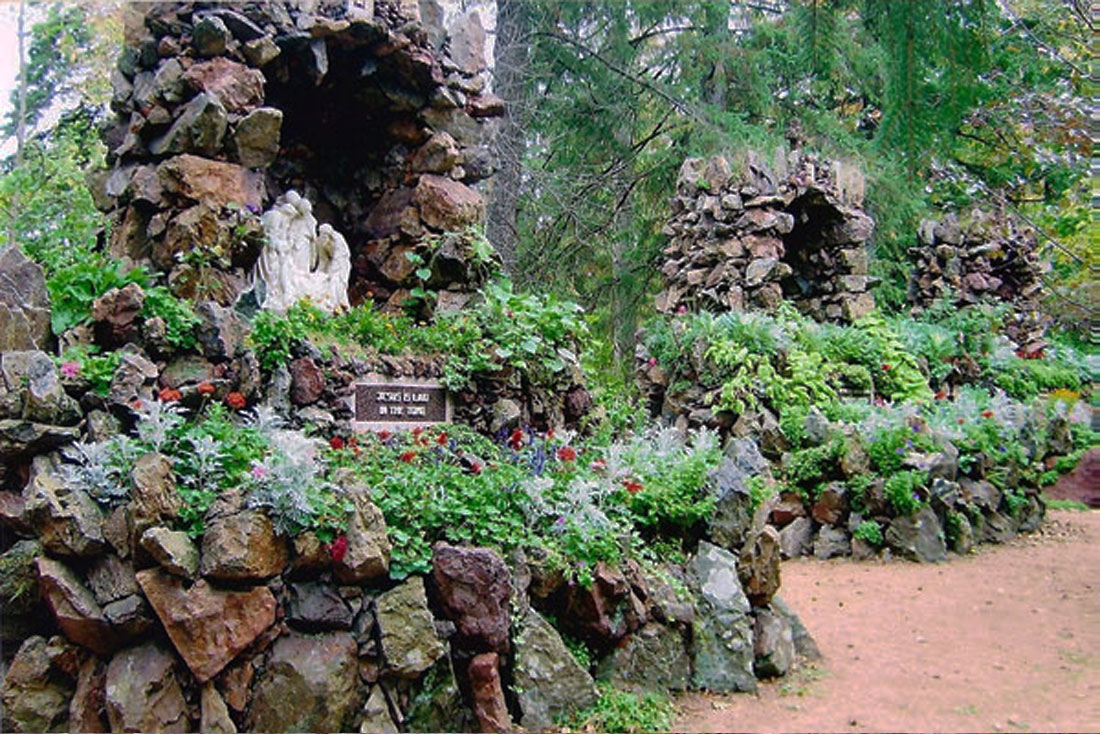
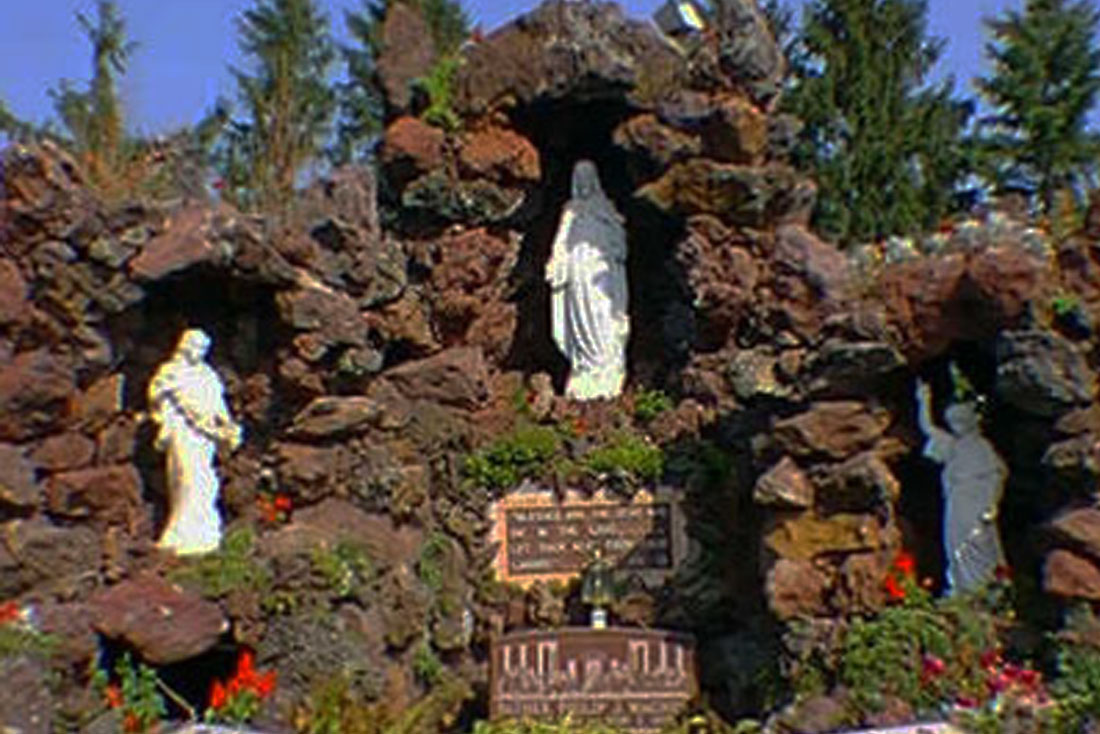
Lourdes Shrine. This was the first shrine built by Father Wagner. Started in 1920 with flower beds, the initial structure was begun by piling stone on stone. Realizing that the structure would not stand, Father started using mortar in 1920 to hold the shrine together. For a time in the late 1930's to 1940's water trickled down the front of the shrine and meandered around, ending in the fish pond. - 1
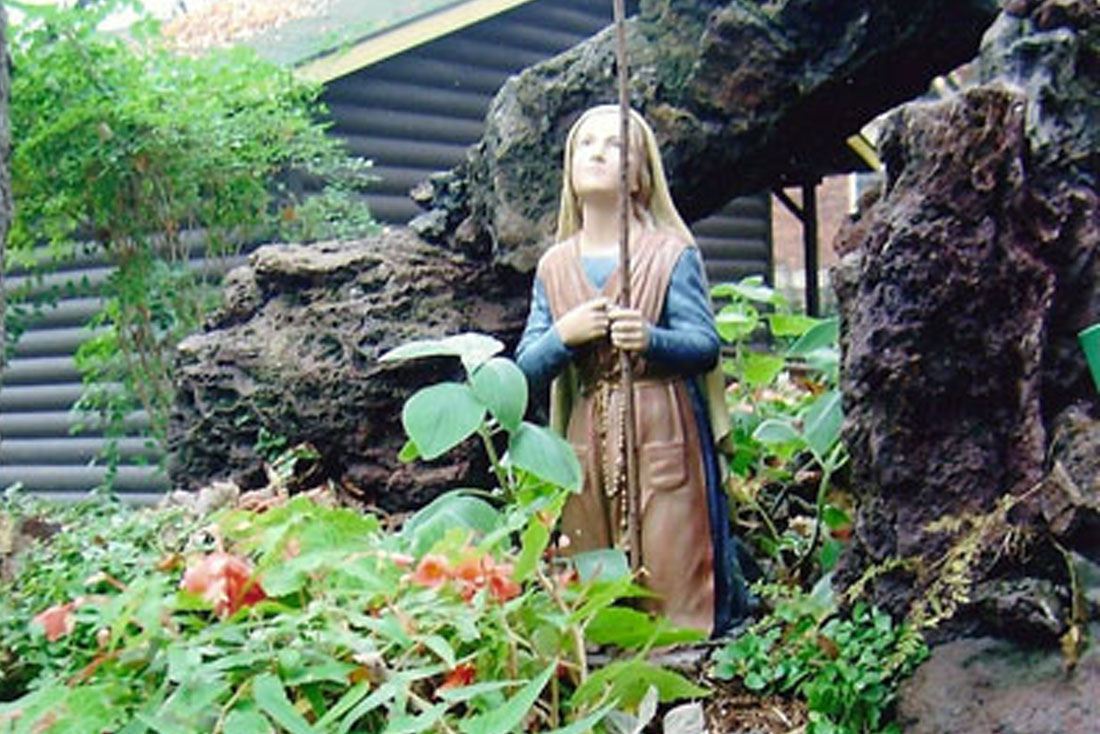
St. Bernadette. Added in the summer of 1933, this small area was the third feature added to the Grotto by Father Wagner. - 1
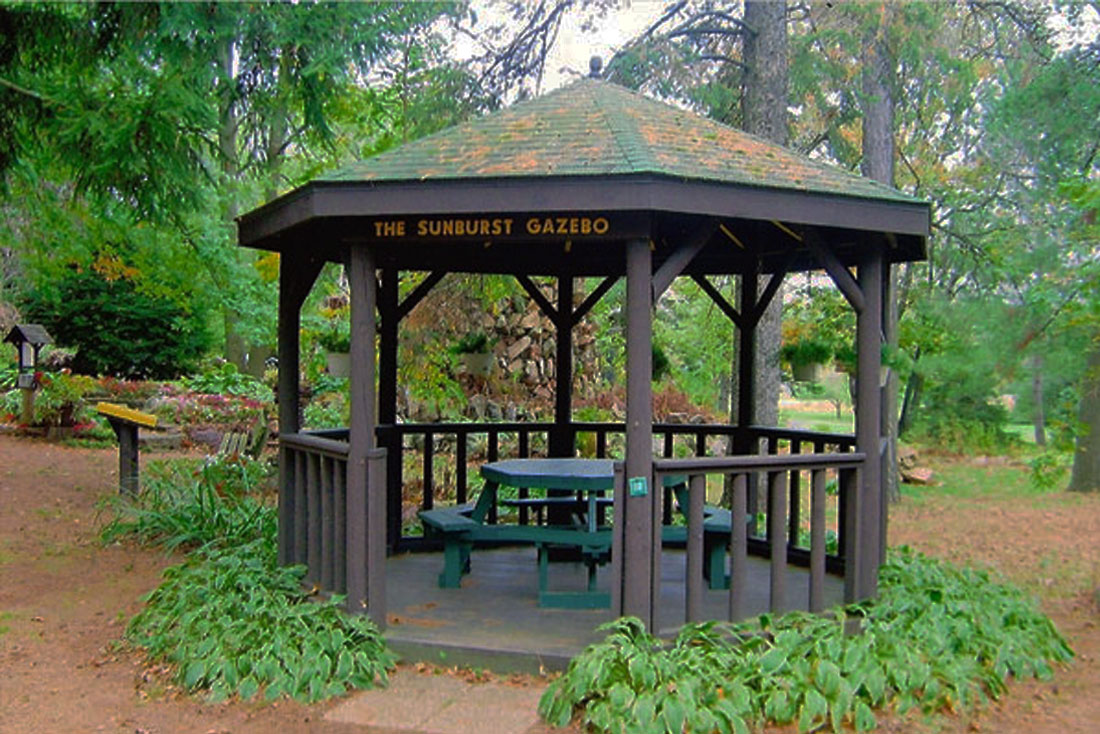
Gazebo. Built and designed by Wallace Oleson in 1995. - 1
Fourteen Stations of the Cross. Started in 1959, the construction by Father Muller, Ray Bohn and Edmund wasn't completed until 1964. The stone is from Powers Bluff area and plaster-of-paris statues came from a church in Watertown, Wisconsin. - 1
St. Theresa Shrine. Built about 1953, not much is known about the person who whittled a wooden frame around the statue. - 1
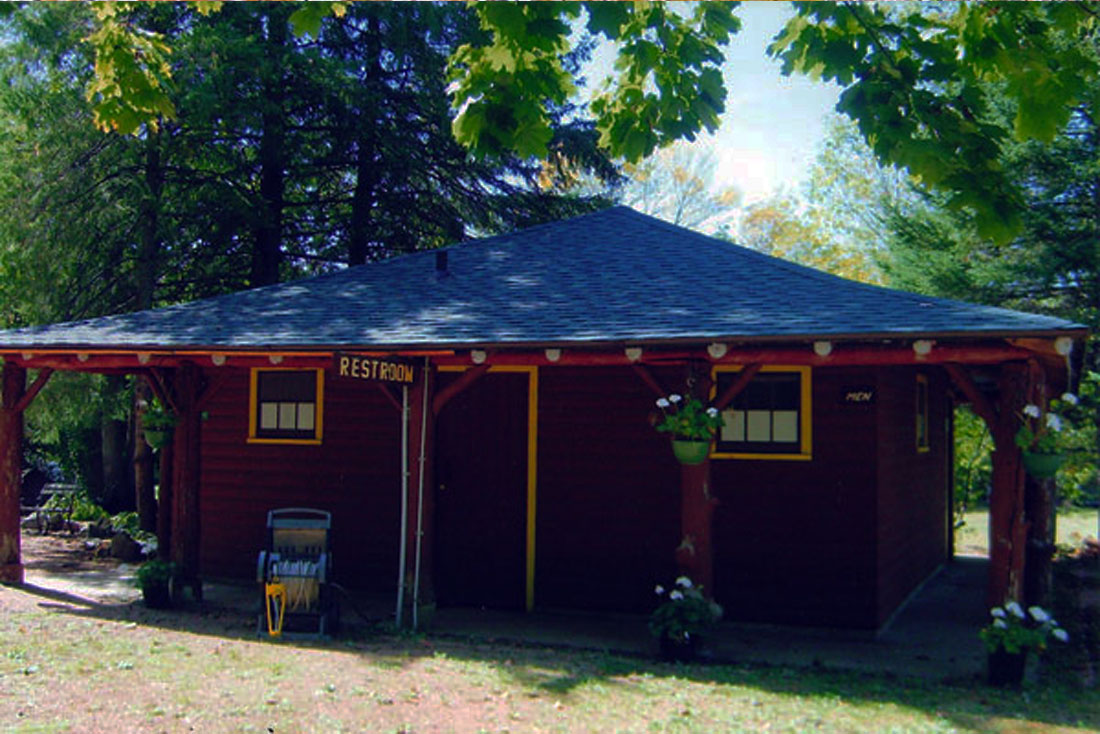
Restrooms. The only other restrooms on the grounds are in the museum. Built in 1953 by Edmund Rybicki and Sylvester Hartjes, the plumbing was done by Greg Van Asten. - 1
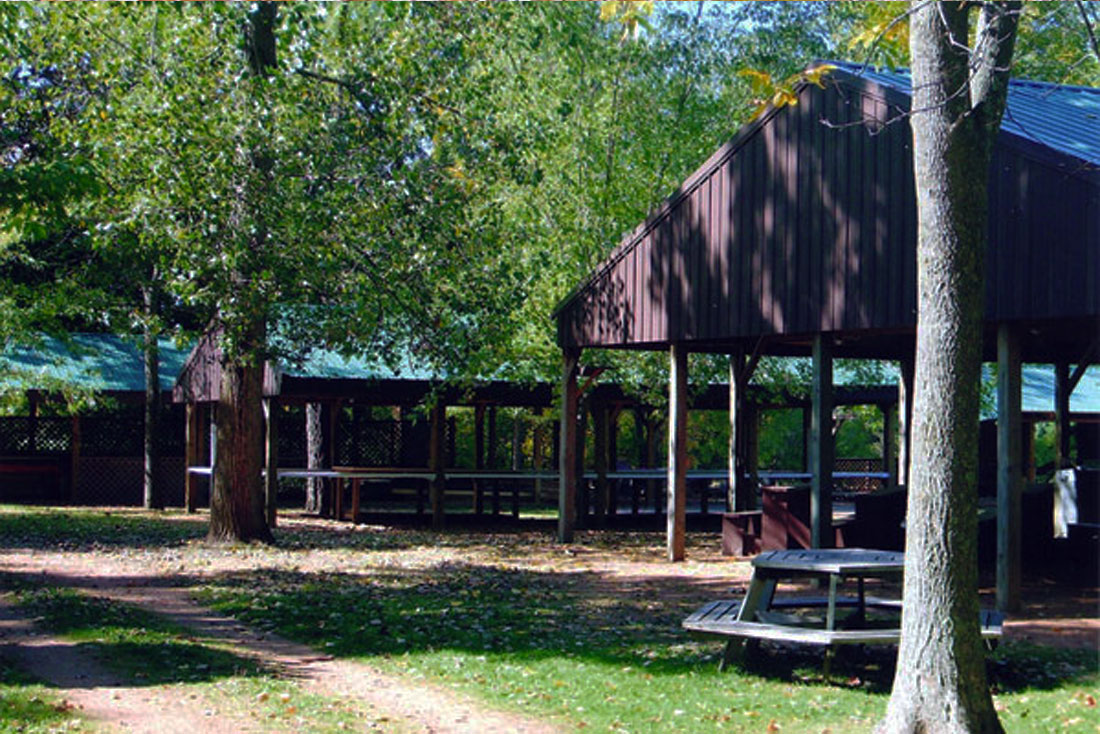
Picnic Grounds. Every year on the first Sunday in August, the annual St Philip's Church Picnic and chicken dinner is held in this area. Run like it has for the past 90 years, the event includes bingo, children's games, live music, food, etc. The grounds can be rented for family reunions or gatherings. All the stands were built between 1942 and 1955. - 1
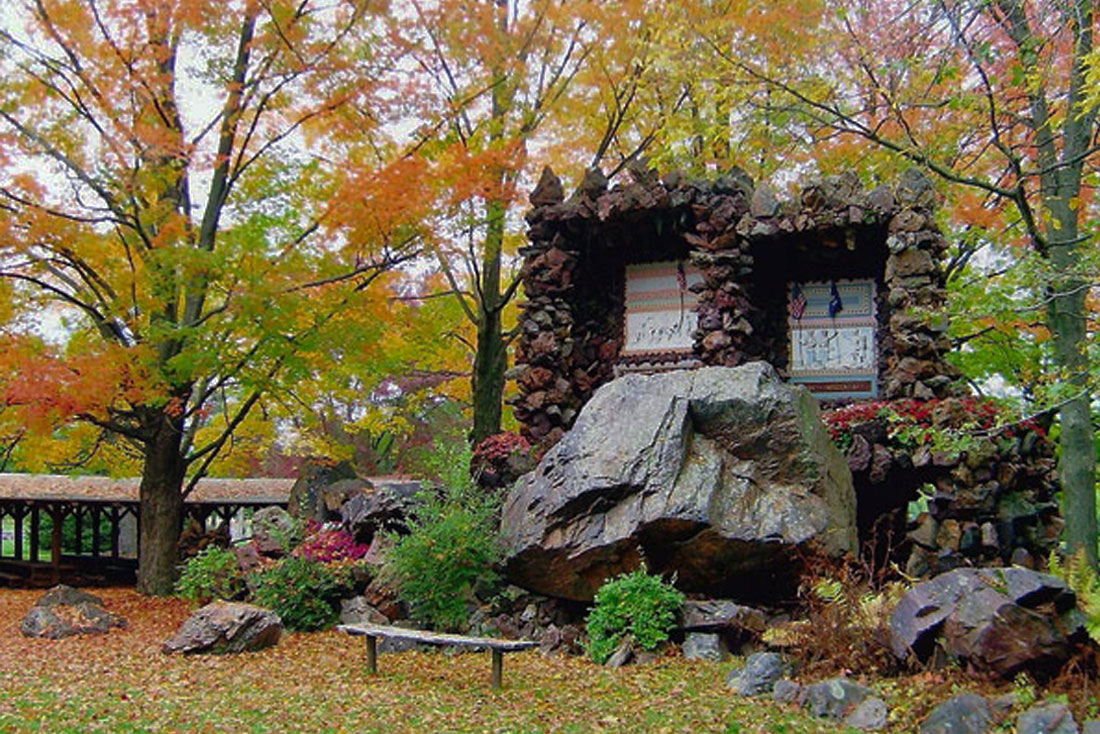
Patriotic Shrine. In 1955, the largest rock on the grounds - 78 tons - was set in place. The large rock came from the Richard Dobbs farm. The Pledge for Allegiance Plaque was completed first and the On Wisconsin Plaque was finished in 1958. - 1
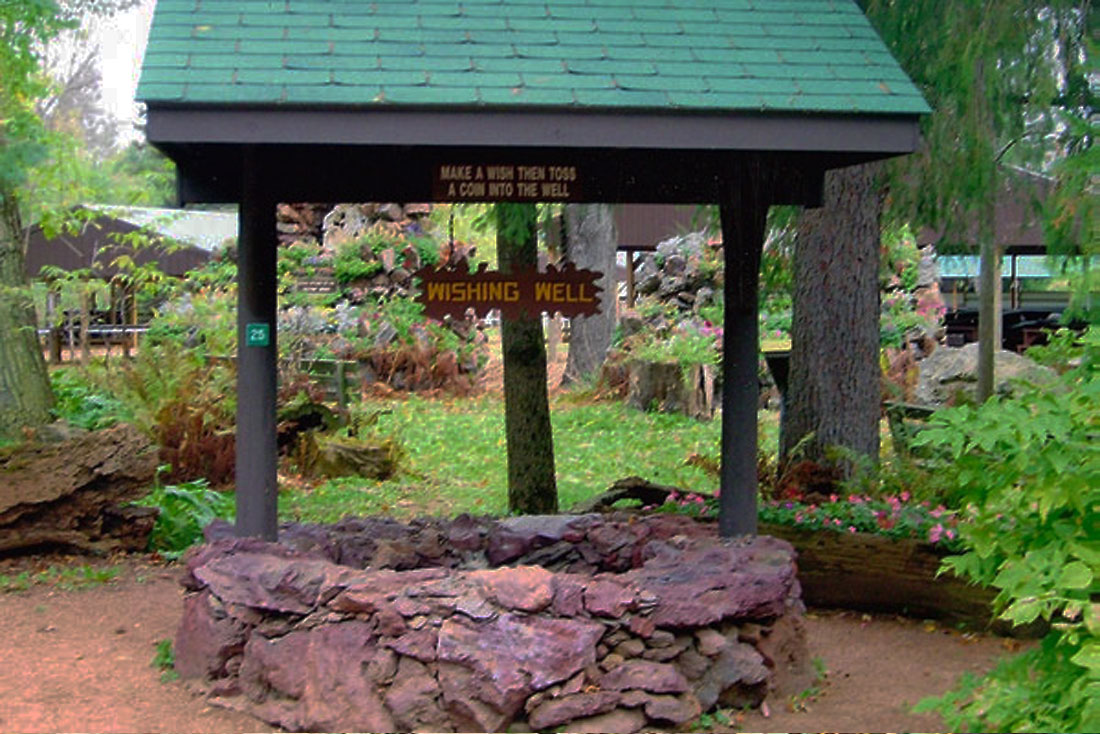
Wishing Well. Built in 1939 or 1940. - 1
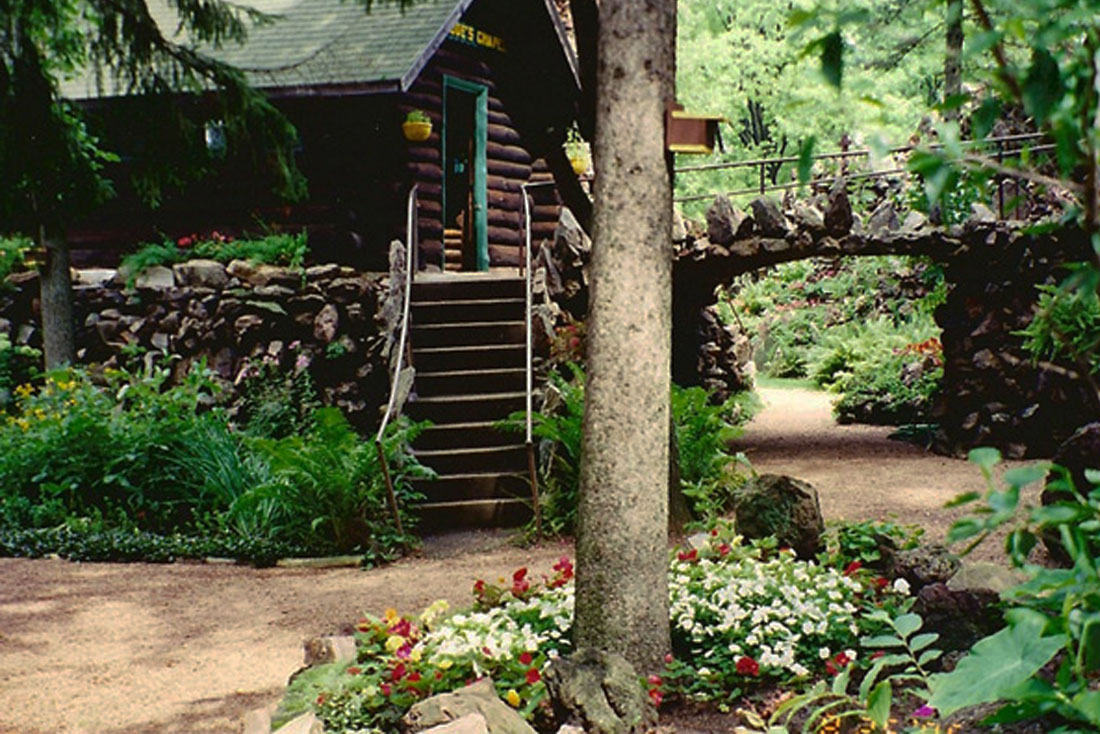
St. Jude's Chapel. With logs from Lydia Lessig's woods and with the sawing done by george Gumz, Edmund began building the Chapel in 1950, finishing it in Spring of 1951. The statue of St. Jude, made of Carrara Marble, was donated by Father Wagner's brother Louis A. Wagner. The original windows, hand-painted water colors by Lydia Lessig, were replaced in 1993 with the stained glass windows, donated by Vicki and Bob Van Asten. The bell tower was added in 1964. The mission bell, brought back from the Philippine Islands, was donated by Donald E. Wanlass, a captain in WWII. The statues under the chapel are from St. Patrick's Church in Lenark, Wisconsin, and log was brought from the Van Asten Homestead in Little Chute, Wisconsin by Harold Jagodzinski and Edmund. - 1
The Soldier's Memorial Monument. Built in 1934 by Father Wagner "In Memoriam" was built to honor the dead heroes of WWI. - 1
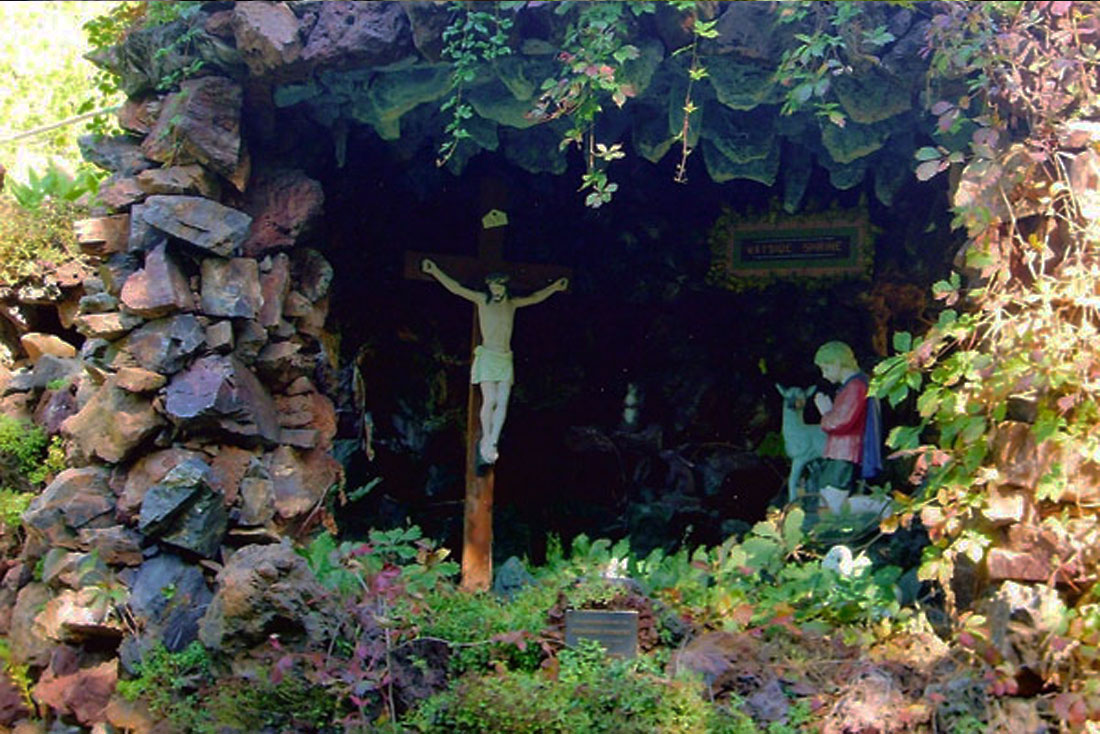
Wilderness Scene. The scene of the Crucifixion for our Savior was built in 1950 by Edmund and is dedicated to him for the 50 years of dedicated service to the parish and Grotto. - 1
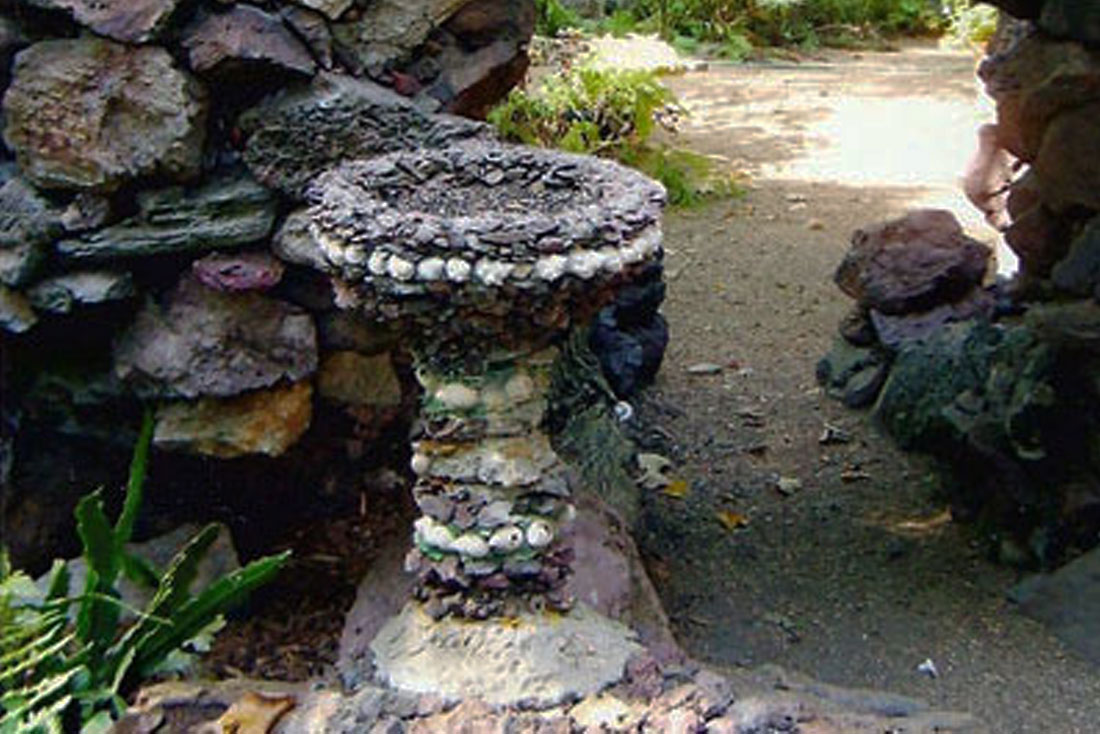
Bird Bath. This is the second small item built in 1933 by Father Wagner. It is currently used as a feeder for the wild life. - 1
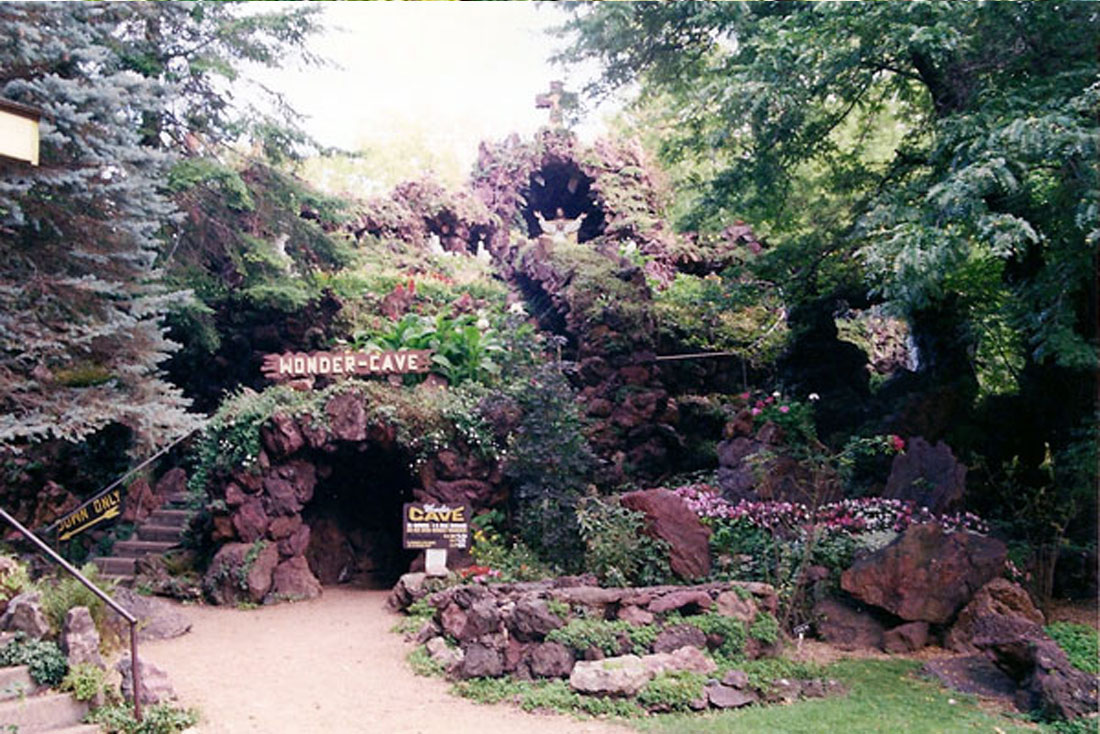
Wonder Cave. Construction of the Wonder Cave began in 1935, and was designed by Father Wagner, fashioned after the catacombs. Totaling one-fifth mile, it was not completed until 1957. All the statues are marble except for the Sacred Heart, which is cast stone and was donated by Simon Joosten in 1931. Illuminations are constructed of tin from patterns designed by Father Wagner, drawn by Edmund and originally punched by hammer and nail. Later, Peter Hartjes drilled the holes to form the designs, which are illuminated by a variety of colored bulbs. Most of the stone used in the construction of the cave is from the Milladore-Blenker area, about 10 miles north of the Grotto, with those used to complete the project coming from the Power's Bluff area about 20 miles west of the Grotto. - 1
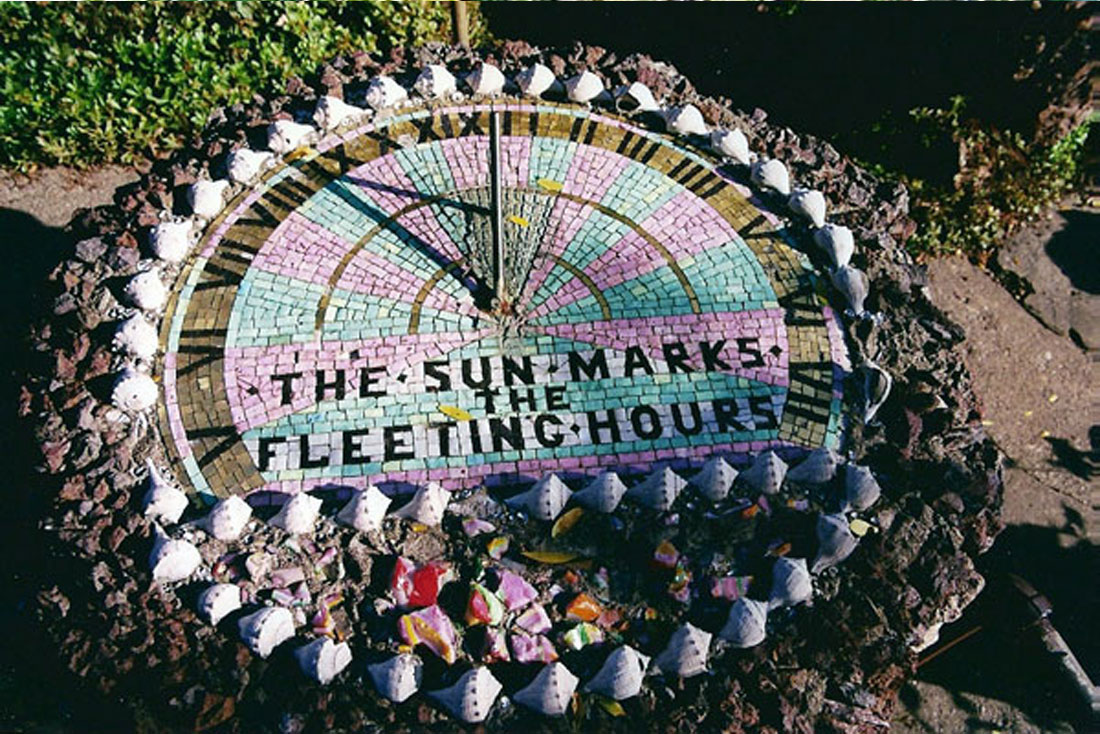
The Sundial. Located on the top of the cave, the sundial was a small item built by Father Wagner during the winter of 1934. - 1
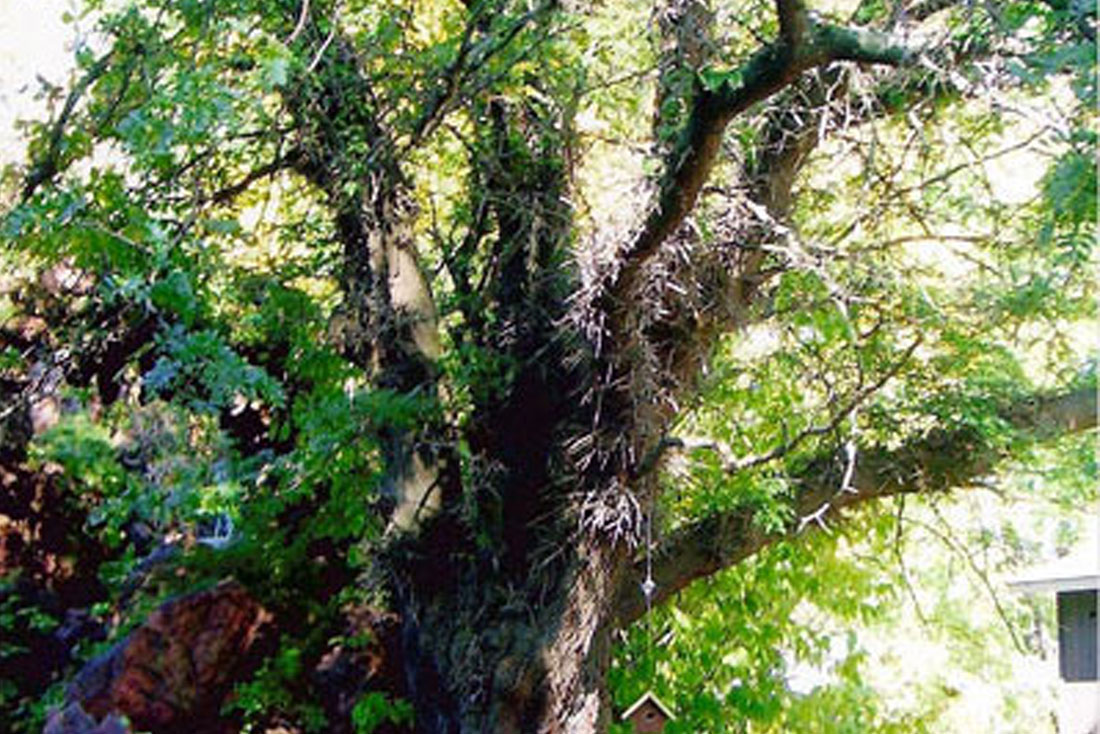
Thorn Tree. Called a Swamp Locust in the Gleditsin-Honey Locust family, this tree sprouted and grew on its own. - 1
Shrine for the Resurrection. In 1956 Edmund began building a memorial to Father Wagner in All Soul's Cemetery. Built according to Father's plans, it was not finished until 1957. Father Wagner died on November 1, 1959 and was the thirteenth person buried in the cemetery. Edmund, who died on September 21 1991, is buried next to Father's memorial in All Soul's Cemetery. - 1
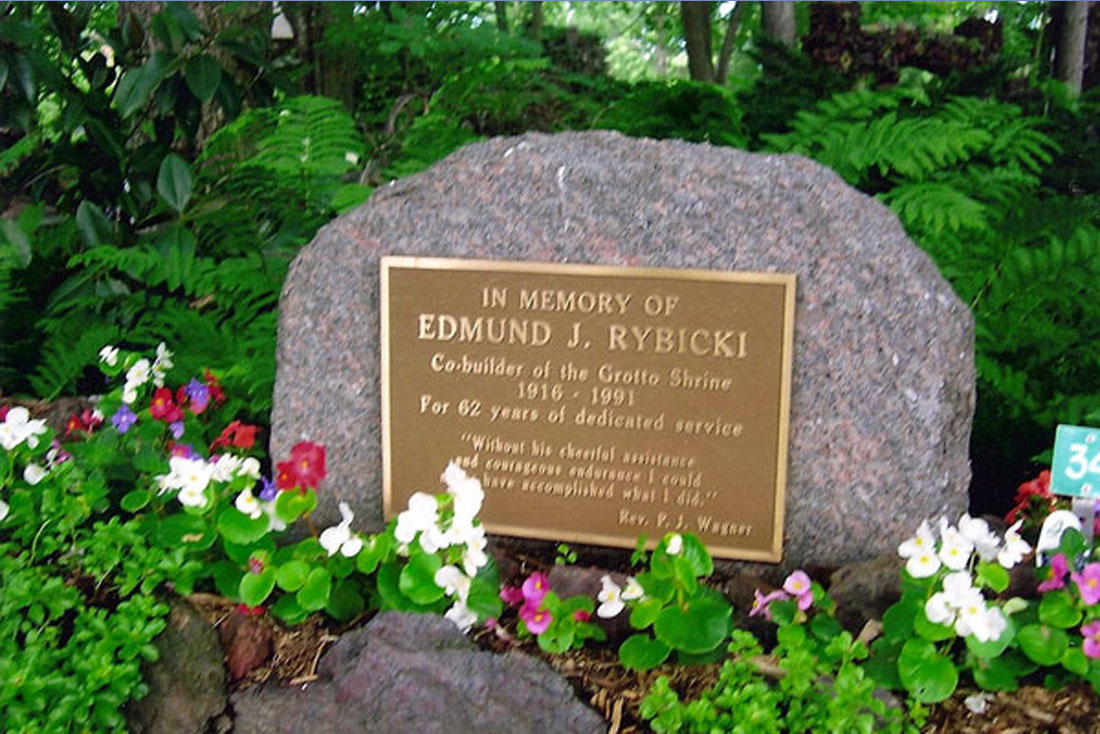
Memorial to Edmund Rybicki. The base of this memorial was originally a cement bench built by Father Wagner in the late 1940's. After Edmund's untimely death in a tragic boating accident in 1991, Edmund's children brought the stone and plaque, constructing the present memorial in 1992. - 1
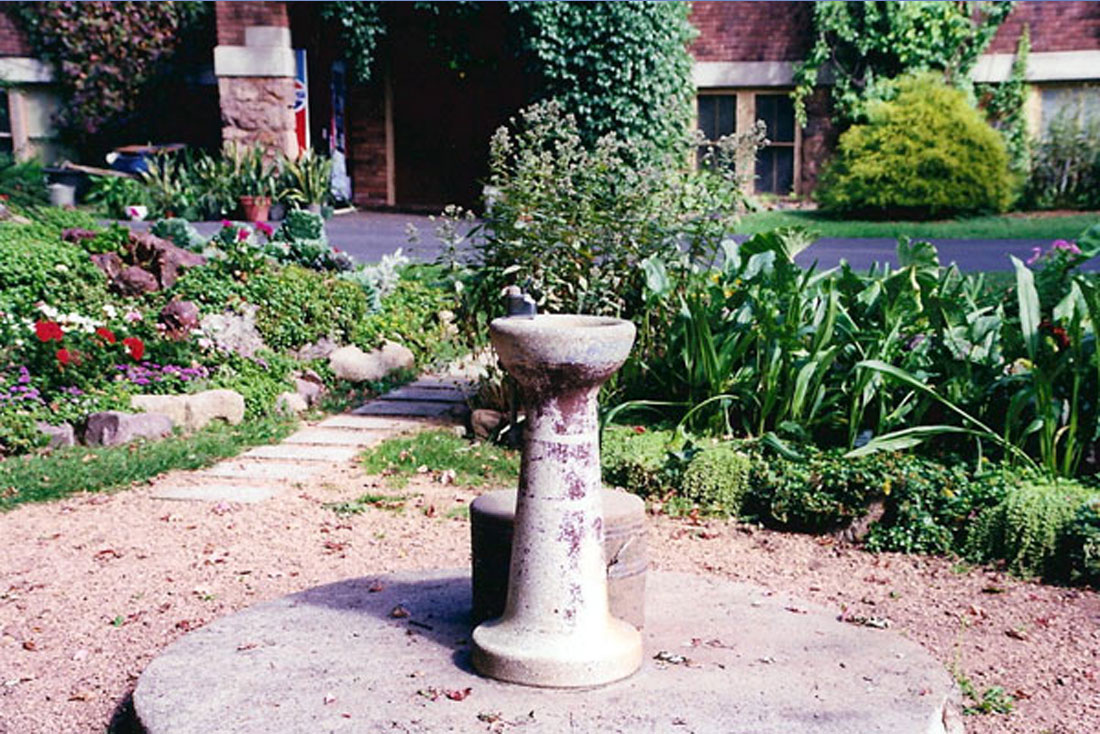
The Water Fountain. This structure was built sometime between 1946 and 1958. - 1
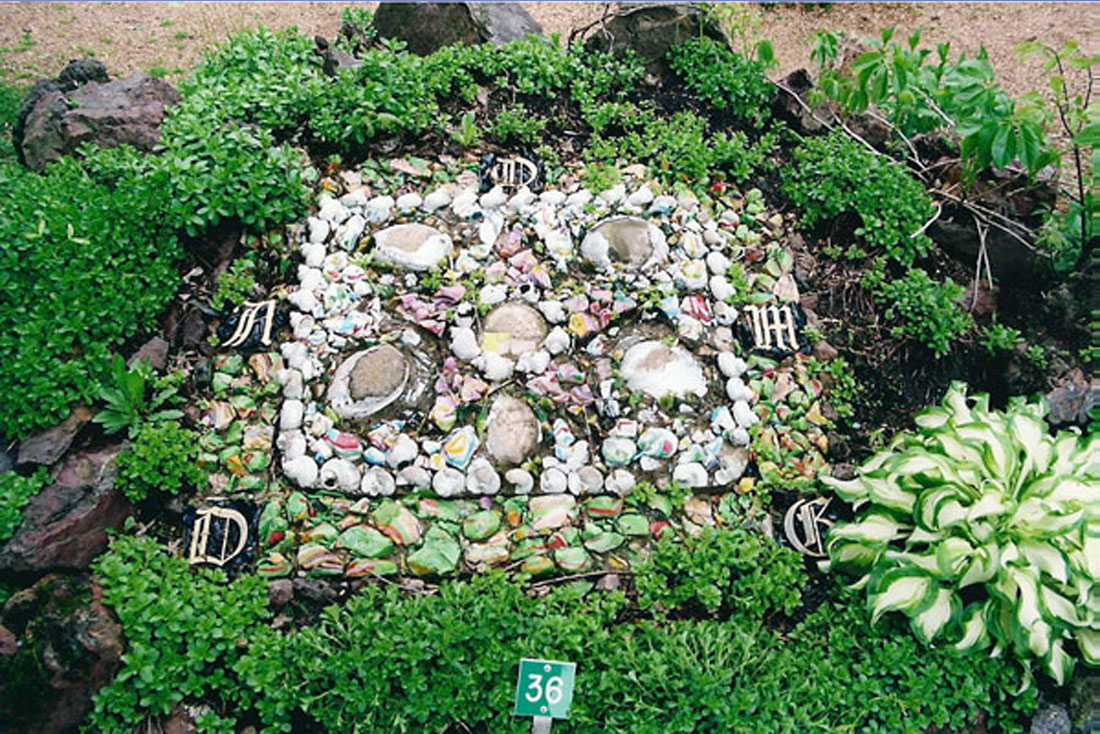
The Shrine of the Unknown. Not much is known about the shrine, except that it was uncovered in 1994 while caretakers tried to find out why the planter was so shallow. After the dirt was removed the letters O-A-M-D-G were exposed. These stand for Omnia ad Marjorem Dei Gloriam, which is Latin for "All for the Greatest Glory of God". - 1
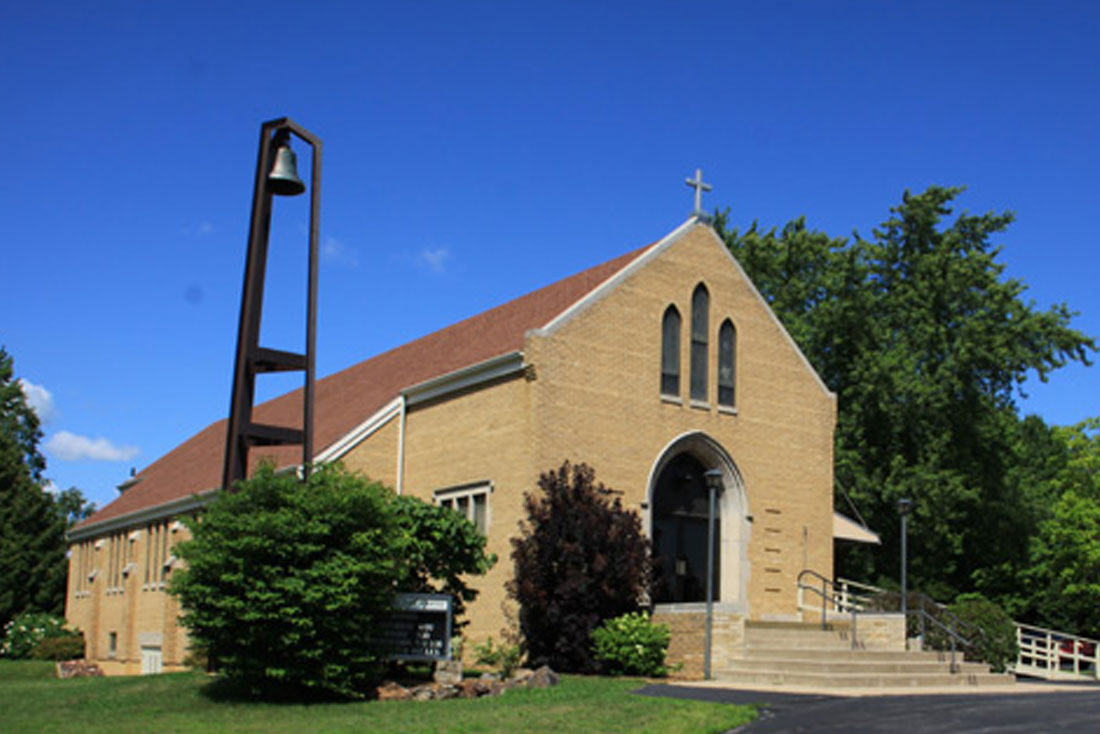
St Philip's Church. Built in 1950 - 51, the church was dedicated on May 6, 1951 and renovated in 1993. - 1
St. Philip's School. Built in 1919 - 20, the school was dedicated on May 1, 1921. It is no longer used as a parish school. It still serves the parish for other functions, such as the Religous Education Program. - 1
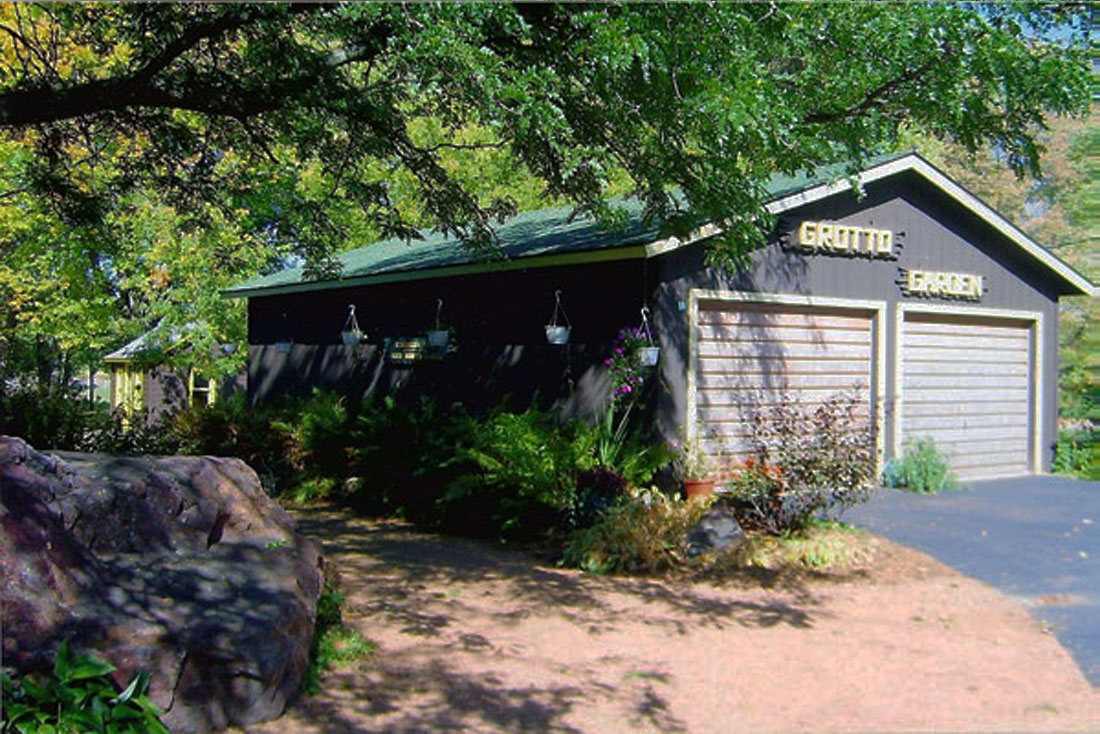
Grotto Garage. The original garage was built around 1916 and moved to the site in 1920. In 1952 - 53, the old building was moved to the back of the Grotto. An all-log garage was built to replace it. In 1994, the log garage was torn down and the present garage was built by volunteers and funded by donations. - 1
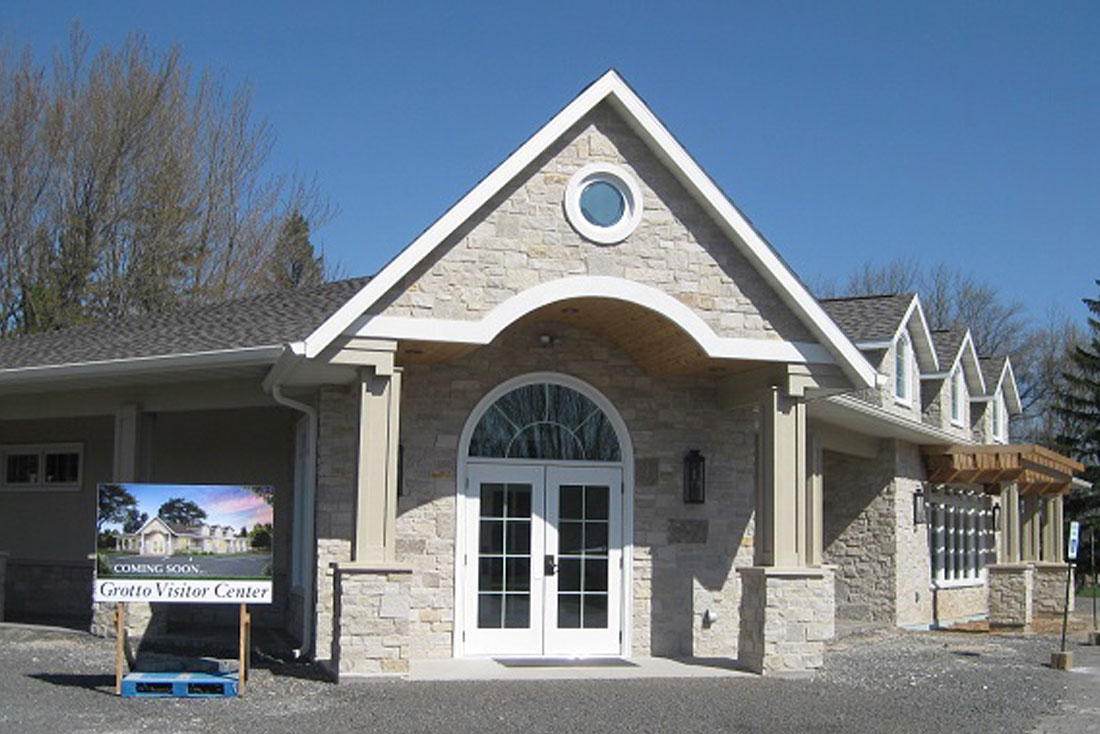
Gift Shop. Funded by donations and designed by Wallace Oleson. The building was erected by volunteers in the summer of 1997. The gardens and grounds are always open to the public. The gift shop and cave are staffed from 10:00 a.m. until 5:00 p.m. daily. Memorial Day through the 2nd week of September, and by request by calling (715) 435-3120 or (715) 435-3456 after regular hours.
| 1. Ten Commandments | 11. Last Supper Shrine | 21. St. Theresa Shrine | 31. The Sundial |
| 2. Small Stone Church | 12. Our Lady of Fatima Shrine | 22. Restrooms | 32. Thorn Tree |
| 3. Wisconsin in Miniature | 13. War Memorial and Annunciation of Mary Plaque |
23. Picnic Grounds | 33. Shrine of Resurrection |
| 4. Shrine to St. Pilomena | 14. Old Register | 24. Patriotic Shrine | 34. Memorial to Edmund Rybicki |
| 5. Museum | 15. Wayside Shrine | 25. Wishing Well | 35. The Water Fountain |
| 6. Stations of the Seven Sorrows of Mary |
16. Palm Sunday Plaque | 26. St. Judes Chapel | 36. The Shrine of the Unknown |
| 7. Old Log Bench | 17. Lourdes Shrines | 27. Soldiers Memorial Monument | 37. St. Philips Church |
| 8. Pillar Planter | 18. St. Bernadette | 28. Wilderness Scene | 38. St. Philips School |
| 9. Grotto Planter and Sign | 19. Gazebo | 29. Bird Bath | 39. Grotto Garage |
| 10. Sunken Garden, Fish Pond, and Waterfall |
20. Fourteen Stations of the Cross | 30. Wonder Cave | 40. Gift Shop |